Global B2B supply for e-bike accessories and cycling gear
EU / US market focus | OEM packaging | Product support

E-Bike Safety Regulations: CE vs StVZO vs UL Compliance Guide

A buyer-friendly guide to three compliance terms that often appear in e-bike accessory sourcing: CE, StVZO and UL 2849. The goal is simple: know what each claim means, what documents to ask for, and where the claim may not apply.

Why compliance wording matters in accessory sourcing

Importers and distributors often ask suppliers for “CE, StVZO or UL” as if they were the same type of approval. They are not. CE is a European market conformity mark. StVZO is a German road-traffic lighting requirement for bicycles. UL 2849 is a safety standard focused on e-bike electrical systems, especially the drive, battery and charging system.

For a product manager, the practical risk is not only legal. Weak compliance wording can cause listing rejections, customs delays, retailer pushback or expensive packaging rework. A small accessory order can become complicated if labels, claims or test documents do not match the actual product.

Plain English rule: do not buy a claim. Buy the document trail behind the claim: test report, certificate, model number, label artwork and product photos that match the shipped item.

Quick comparison

TermWhat it usually meansWhere buyers should be careful
CEThe manufacturer declares that the product meets applicable EU requirements for safety, health and environmental protection.CE is not an EU approval stamp. It must match the exact product and applicable directives or regulations.
StVZOGerman road-traffic rules for bicycle lighting equipment, including prescribed and type-approved lighting devices.For lights sold into Germany, generic “bright” or “waterproof” claims are not a substitute for StVZO approval.
UL 2849A UL standard for e-bike electrical systems, covering system-level safety of drive, battery, charger and related electrical parts.It is not the same as saying every accessory is UL certified. A light, bag or lock usually needs a different compliance discussion.

CE marking: useful, but often misunderstood

CE marking is common in European product sourcing, but it is easy to misuse in sales material. The European Commission explains that CE marking means the manufacturer declares the product meets all legal requirements for CE marking and can be sold in the European Economic Area. It also notes that CE marking does not mean the product was approved as safe by the EU or another authority.

For e-bike accessories, the relevant rules depend on the product. A simple mechanical bag is different from a rechargeable light, and a charger is different again. When an accessory has electronics, batteries, chargers or wireless features, the document set can change quickly.

Documents to ask for on CE-related products

  • Declaration of Conformity with the supplier name, product model and applicable directives or regulations.
  • Test reports that match the same model number shown on the quote and packaging.
  • Label artwork showing CE placement and required importer or manufacturer information.
  • Battery or charger documentation if the item includes rechargeable power.
  • RoHS or other material restriction documents where relevant.

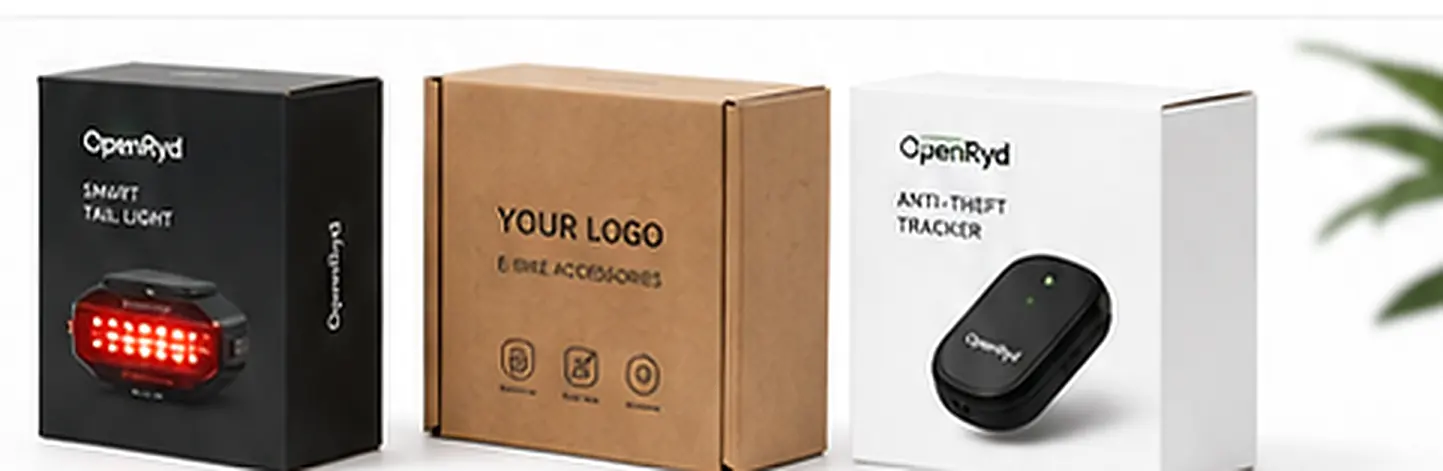
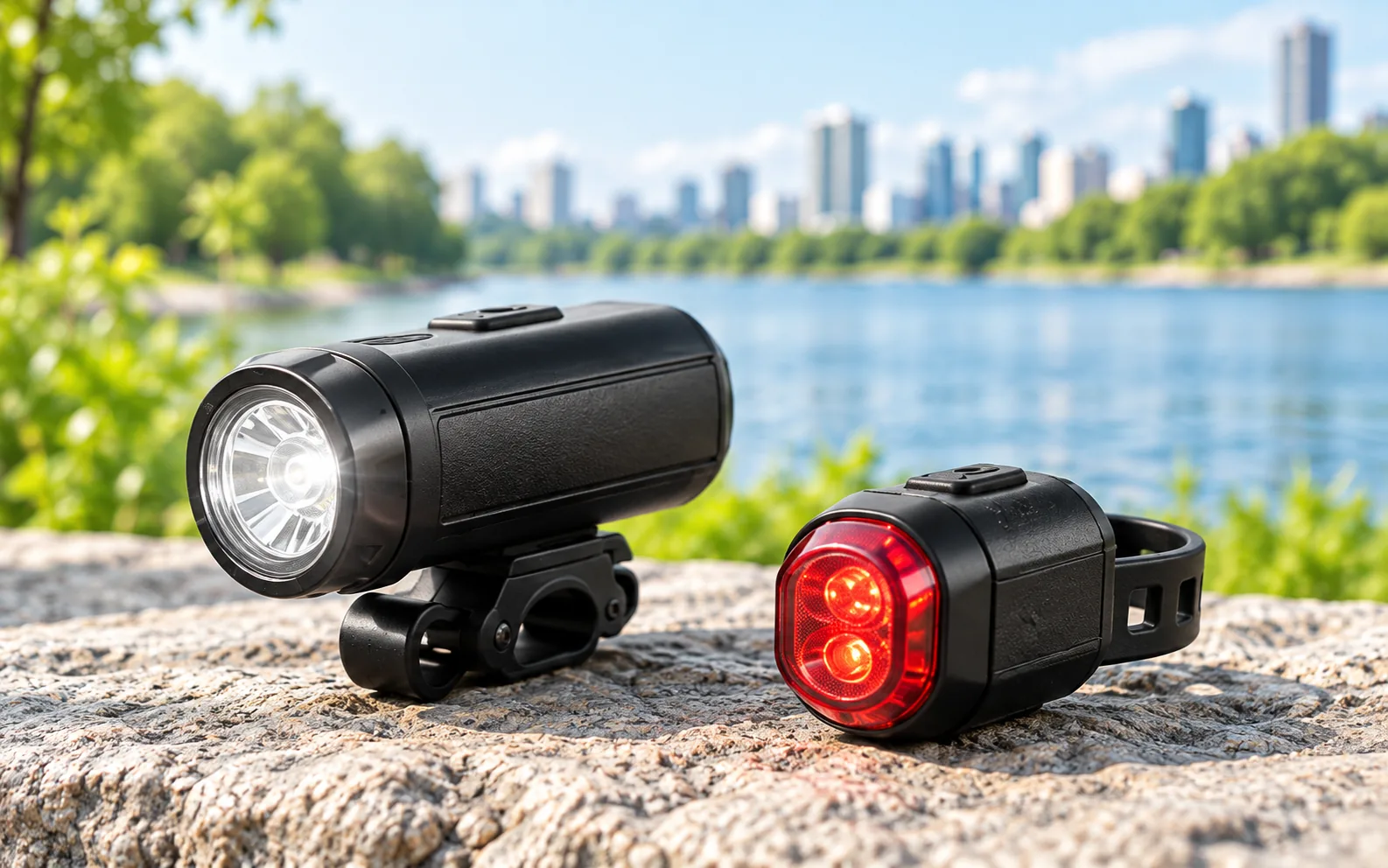
For OpenRyd product planning, CE-related questions usually come up around LED e-bike front lights, rear warning lights and charging accessories. The right question is not “Do you have CE?” but “Which model was tested, under which requirement, and can we use that document for our market?”

StVZO: especially important for German bicycle lighting

StVZO is often seen on bicycle light listings because Germany has specific road-traffic requirements for bicycle lighting equipment. Section 67 of the German Road Traffic Licensing Regulations refers to prescribed and type-approved lighting equipment for bicycles used in public road traffic.

For buyers, this matters because a light can be bright, rechargeable and well packaged, yet still not be suitable for a German StVZO-focused retail claim. If your market includes Germany, ask early. Do not wait until packaging is printed.

When StVZO matters most

Rear lights, front lights and complete light sets sold for public road use in Germany or through retailers that require German-compliant lighting claims.

What to verify

Model number, approval marking, beam pattern requirements, test document ownership and whether the supplier can legally support the claim on your packaging.

OpenRyd’s StVZO e-bike tail light should be treated differently from a general USB rear warning light. The StVZO claim is a market-positioning asset, but it should be used carefully and only where the supporting documents match the product.

UL 2849: system-level safety, not a generic accessory label

UL 2849 is commonly discussed in North America because battery and charging safety has become a serious retail and regulatory topic. UL describes UL 2849 as a standard for electrical systems for e-bikes. The focus is the electrical drive train, battery and charger system combination rather than every small non-electrical accessory on a bicycle.

This distinction matters. A distributor selling a phone mount, bag or lock should not imply UL 2849 certification unless the claim is actually connected to an applicable certified e-bike electrical system. For accessories with batteries or chargers, ask which exact component or system is covered and whether the certificate is current.

Buyer questionWhy it matters
Is the certificate for the full e-bike system, battery, charger or another component?UL 2849 is commonly a system-level claim. Component-level claims should not be stretched into a full-system claim.
Does the model number on the certificate match the product being sold?Retailers may reject documents that do not match the SKU or label.
Can the claim be used on your packaging and marketplace listing?Some suppliers have test documents but cannot authorize private-label use without review.

A practical compliance checklist for importers

  • Define the sales market before choosing the product: EU, UK, Germany, US, Canada or mixed-market distribution.
  • List the exact claim needed on the page and packaging: CE, StVZO, UL, RoHS, waterproof rating or battery safety claim.
  • Ask for documents before approving samples, not after mass production.
  • Check that model numbers match the quote, sample label, test report and carton mark.
  • Keep claims conservative. “Suitable for retail e-bike light assortments” is safer than overclaiming road legality in a market where the product was not approved.
  • For private label projects, review packaging text before printing.

How to use compliance in product assortment planning

A smart assortment does not need every SKU to carry the highest possible compliance claim. Instead, match the claim to the market. Use a general USB rear light for value bundles, a StVZO rear light for Germany-facing programs, and a stronger documentation pack for retailers that require formal compliance review.

For retailers and distributors, this creates a clearer product ladder: value lighting, compliance-focused lighting, and premium retail packaging. The same logic applies across e-bike lights and safety accessories, bike mounts and holders, and bike protection and repair tools.

Official references used for this guide

This guide is for sourcing and product planning. It is not legal advice. For final market entry, importers should confirm requirements with their testing partner, compliance consultant or local authority.

Discuss Compliance Requirements